
Why We Are Here
To understand the ministry along the Thailand–Myanmar border, we must first see the scale of need. Nine refugee camps—established as “temporary” shelters over 35 years ago—now house more than 90,000 people who have fled conflict, persecution, and instability in Myanmar. The largest camp alone holds about 34,000 residents.
For decades, families have lived in limbo—unable to return home and unable to fully integrate into Thai society. In this prolonged uncertainty, resources are limited and hope can fade. This is where the Church of the Nazarene has been called—not only to meet physical needs, but to build a spiritual home and bring lasting hope.
Ministry Presence at the Border
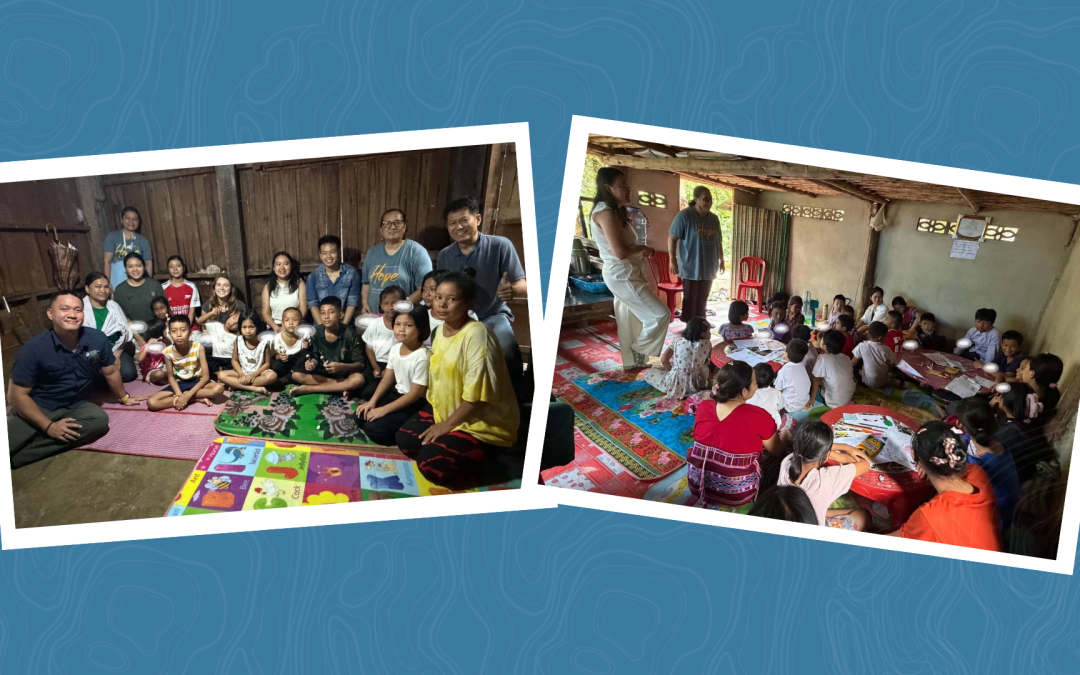
From 4–7 January, a small team traveled from Bangkok to Mae Sot with a simple purpose: to be present with refugee families—to listen, pray, and serve.
The team included Pastor Dan (Regional Child Development Coordinator), Pastor Phanom (District Superintendent), an SEA missionary couple, and global partners Britney Blackburn, Bejelyn Banguis, and Misty Greiyer. Upon arrival, they met with local leaders for orientation and prayer, preparing to step onto sacred ground.
Compassion in Action
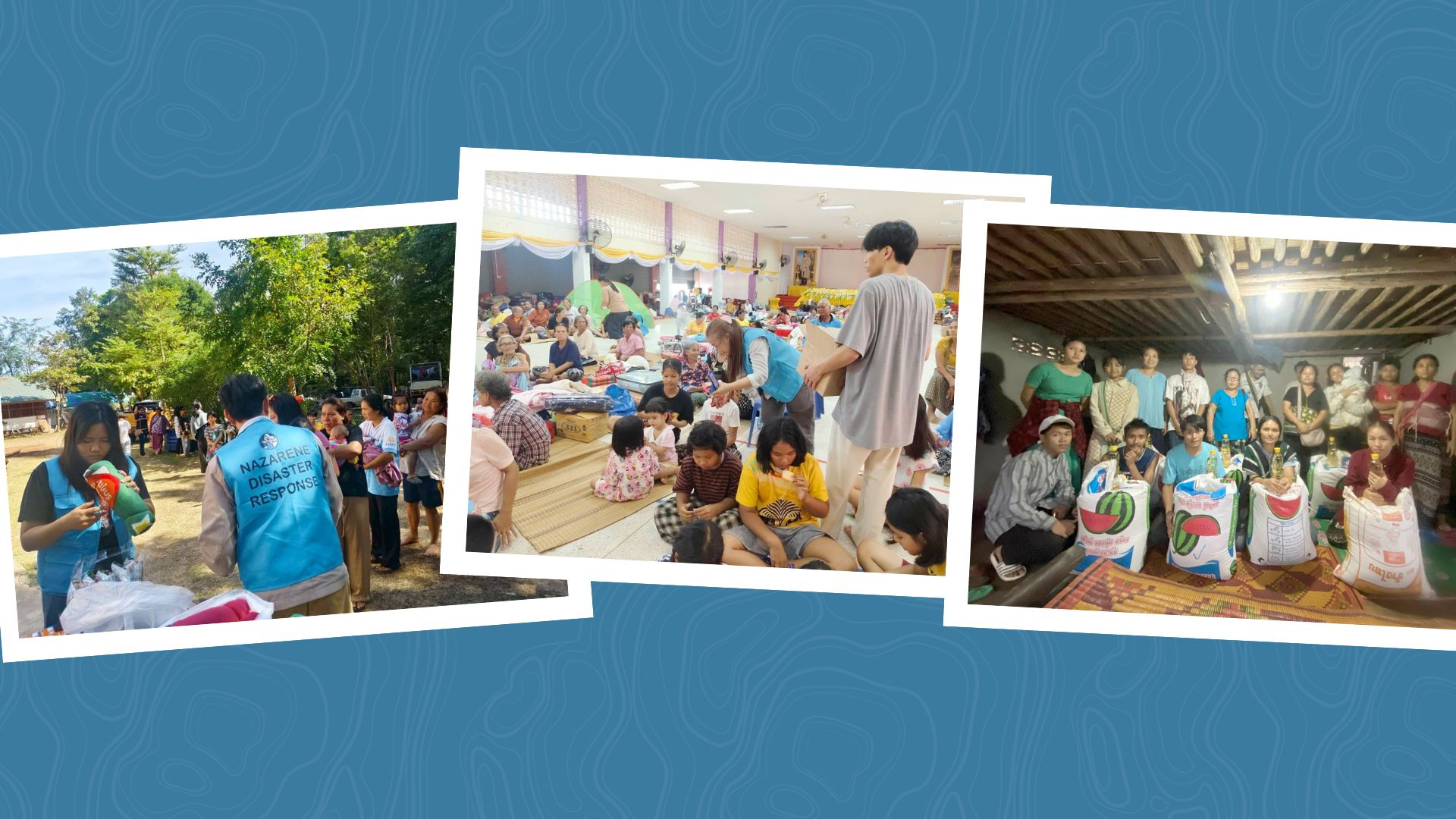
The following day, the team spent seven hours inside the refugee camp. Misty, a registered nurse, led medical check-ups for 63 children and 19 adults, offering basic healthcare with dignity and kindness.
The team also visited 15 families supported by Nazarene Compassionate Ministries (NCM), which provides monthly food supplies, including rice, eggs, and oil. In their bamboo homes, families shared stories of hardship and resilience, expressing encouragement in knowing that believers outside the camp are praying for them.
Advancing the Mission
While compassion ministry opens the door, the ultimate calling is to plant churches and share the hope of Christ. In meeting with Jubilee Thanga, it became clear that a spiritual harvest is already underway.
- Planting Churches: Seven diaspora churches are now active across the region, including new house churches in Mae Sot.
- Lydia Teams: Evangelism, discipleship, and church planting are being advanced through “Lydia Teams,” which have grown from one team in 2024 to two teams in 2025–2026.
- Training Leaders: We are not only making disciples—we are developing leaders. Through Chapman International College (CIC), 12 students are currently engaged in pastoral training via Zoom, while 100 children are receiving educational scholarships through local learning centers.
Vision for 2030
The Myanmar Diaspora Ministry believes in God for a bold future:
- 50 new mission-type churches
- 60 trained pastors
- 20 learning centers for children
This vision reflects a growing movement of faith, leadership, and hope among the Myanmar diaspora.
A Strategic Step Forward
This vision requires space to grow. During the trip, DS Phanom signed a rental contract for a new property in Mae Sot. This house will serve as the operational hub for the expanding ministry—hosting the HIKIDS ministry, functioning as a training center for Lydia Teams, and providing an office for field coordination. This marks a shift from survival to sustainability.
A Ministry of Presence
This trip reminded us that ministry is not only about meeting physical needs—though they are essential—but also about presence: showing up, listening, and praying faithfully.
Through medical care, food distribution, and the planting of new churches, God is weaving a tapestry of hope along the border. We are reminded that steady faithfulness, often unseen, carries lasting Kingdom impact.
How You Can Pray and Partner
- Vision 2030: Pray for 50 new churches and 60 trained pastors among the Myanmar diaspora.
- Lydia Teams: Pray for boldness, protection, and fruitful ministry in camps and communities.
- Refugee Families: Pray that house churches will become beacons of light and hope.
- New Center in Mae Sot: Pray for provision and wisdom as the new hub begins operations.
Thank you for standing with us. Together, as the global Church, we are bringing the love of Christ to places of deep need.
— Adapted from a field report by Jubilee Thanga