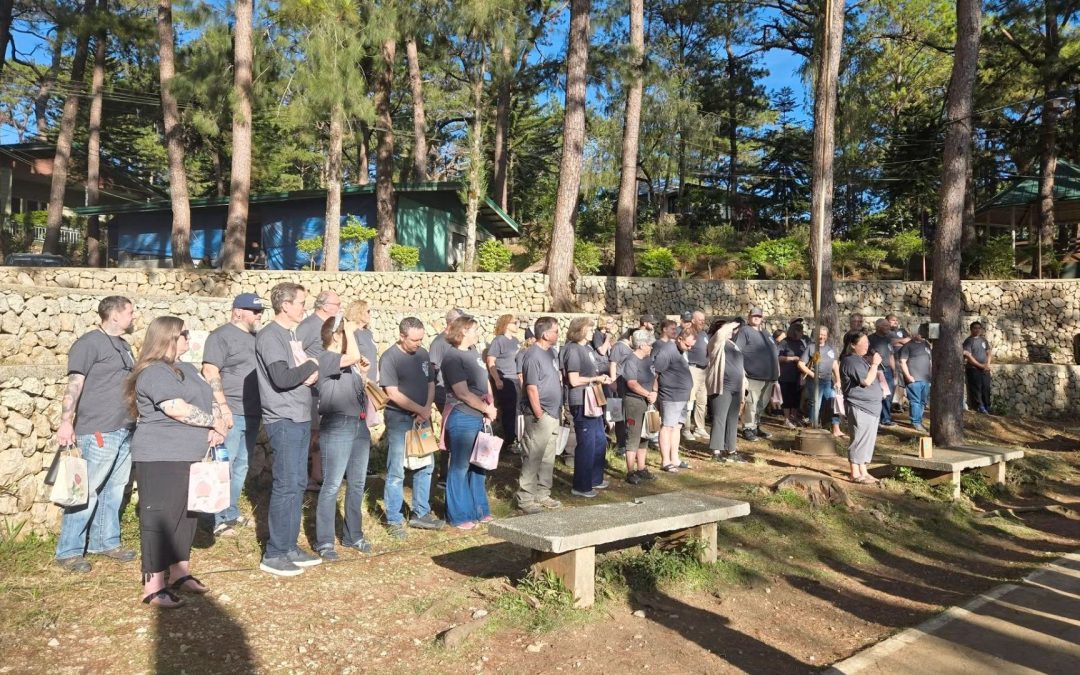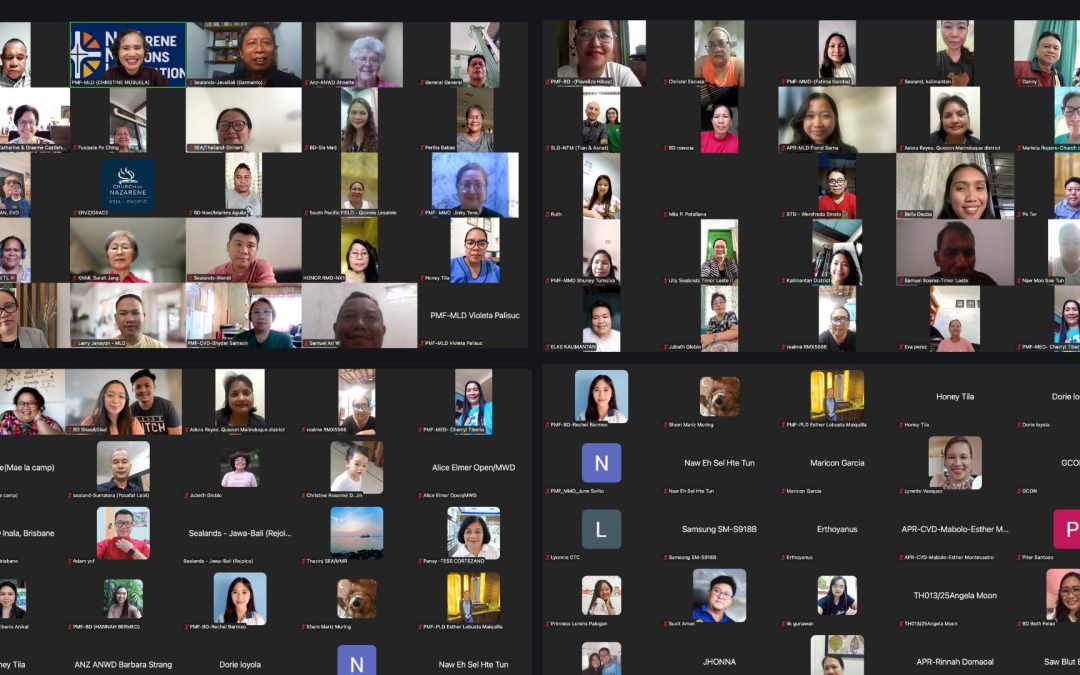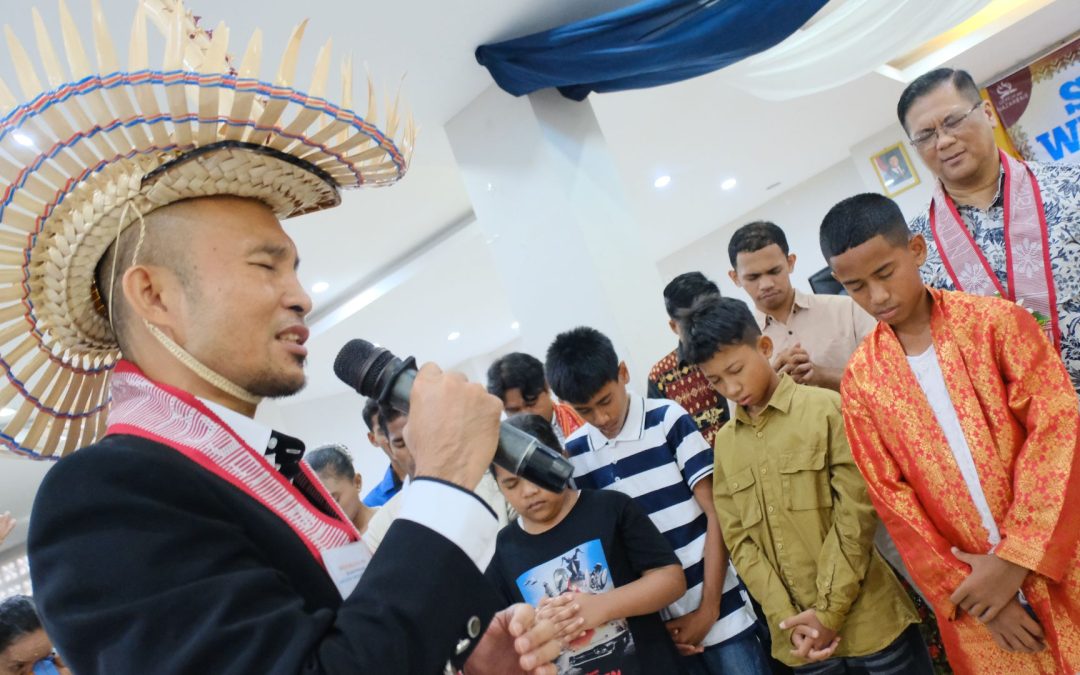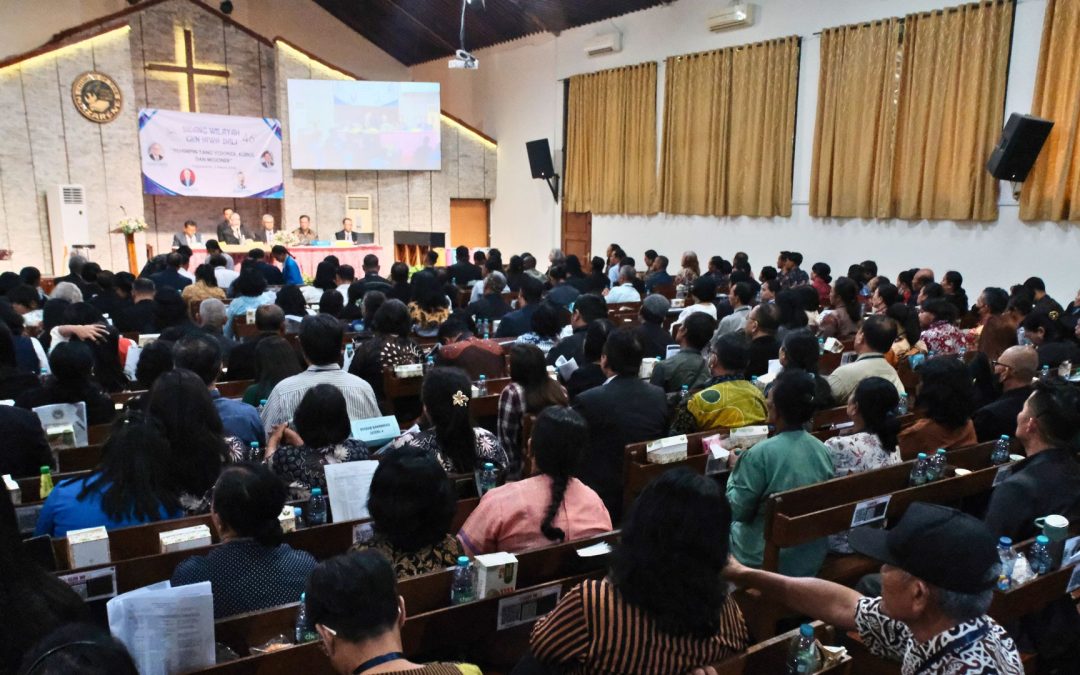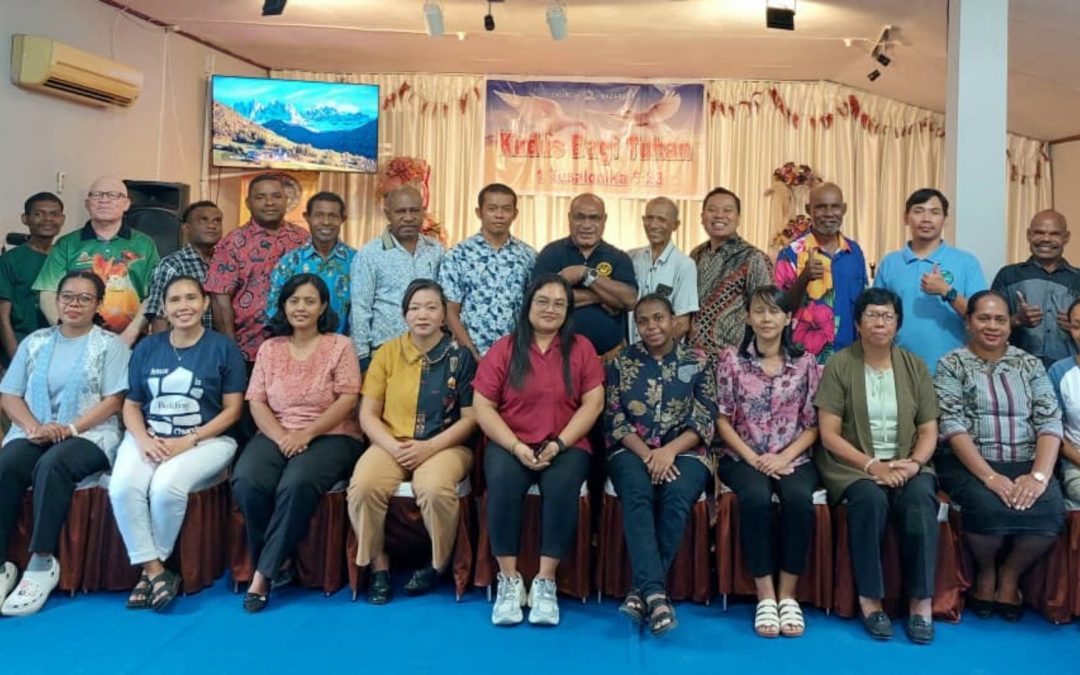

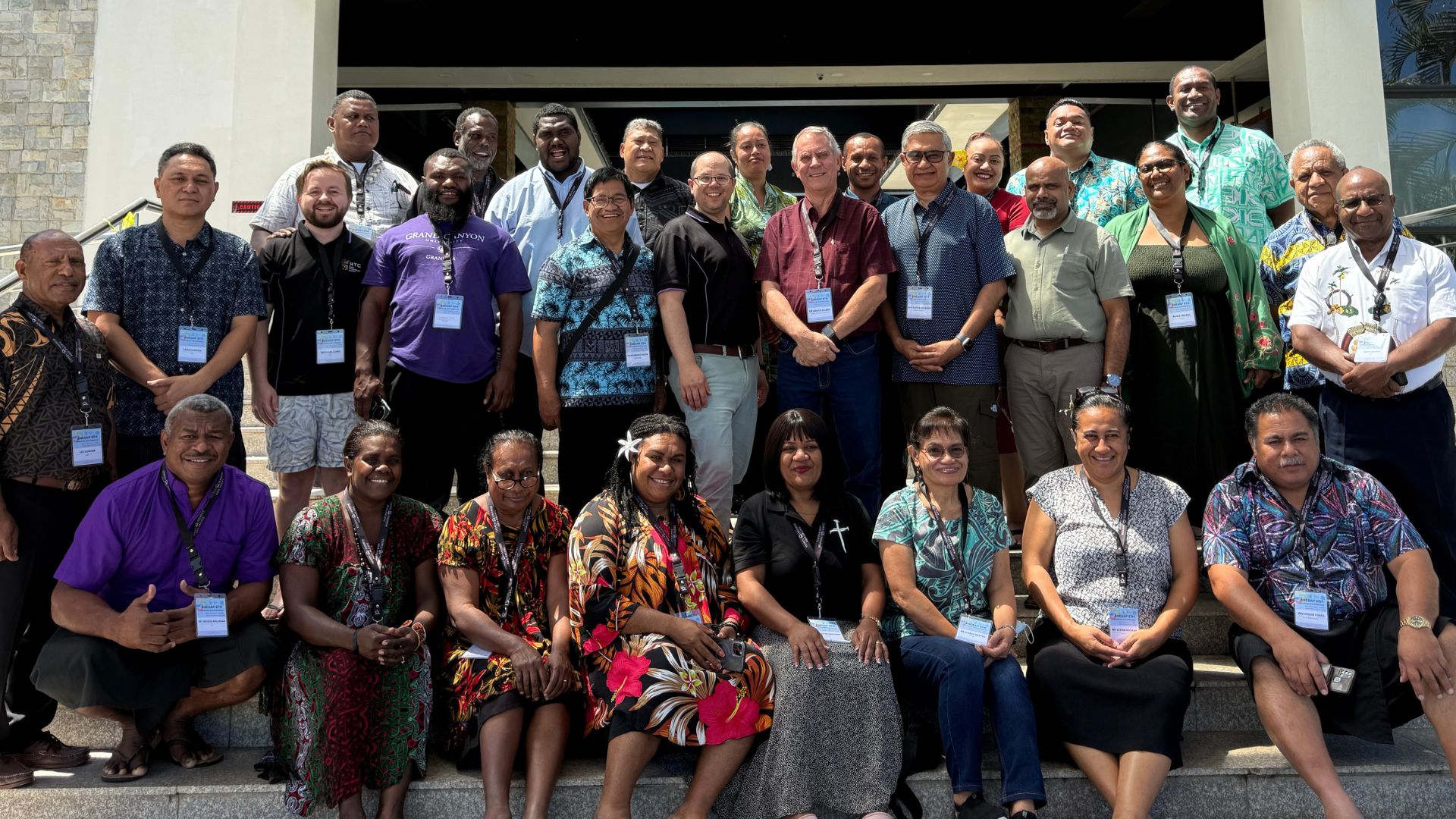
Fiji — The Association of Nazarene Education Systems Asia-Pacific (ANESAP) held its second regional meeting at Nasau Resort from 3–5 December 2025, bringing together leaders and faculty from Nazarene educational institutions across the southern Asia-Pacific region.
The meeting followed the first ANESAP–South gathering conducted in July 2024 and featured key speakers representing institutions in Papua New Guinea, Australia, New Zealand, and the South Pacific.
Participants included representatives from South Pacific Nazarene Theological College; Nazarene Theological College Australia and New Zealand; Melanesia Nazarene Bible College; Nazarene College of Nursing in Kudjip; and Nazarene Teachers’ College in Tuman, Papua New Guinea.
Discussions on the first day focused on an overview of the approved Courses of Study for Nazarene theological colleges, including their development and validation processes. Additional sessions addressed submission timelines, Outcome-Based Education, syllabi use, and institutional structures to strengthen collaboration among Nazarene educational institutions in the region.
On the second day, the key highlights in the small group discussions included, but were not limited to:
- The inclusion of orality as a legitimate delivery system for the Course of Study
- Non-formal education in the Course of Study
- The role of teachers in making orality a part of the Discipleship Curriculum for mentoring and coaching
- Our societies have oral history and cultures where language is mostly spoken and rarely read or written
- Translation of English materials to local dialects with oral assessments
- The use of Artificial Intelligence [AI] to read from written text using an AI voice, so stories can be heard from AI voices, and or convert to video format for illustration or modelling of characters
- Inclusion of basic financial ‘hands-on’ trainings for elders and those on the pathway to the ordained ministry, church administration, cross-cultural and language preparation for ministry and missions.
Dr. Bruce Allder, Regional Education Coordinator for the Asia-Pacific Region, chaired the meetings and facilitated discussions on the Course of Studies, including its development, validation process, and implementation timeline. Participants emphasized the importance of strict adherence to the Regional Source Book to ensure consistency and academic integrity across institutions.
Dr. Carol Bestre led a session on using the syllabus within the Course of Study, focusing on which components may be adjusted while remaining aligned with approved academic standards. The discussion highlighted the need for commonality and uniformity among Nazarene theological colleges and institutions while allowing for appropriate contextualization. While syllabi may be adapted to align with learning outcomes, program outcomes based on the four Cs—Content, Competency, Character, and Context—must remain intact and balanced across each Course of Study. Flexible elements include delivery methods, assessment strategies and grade weighting, required readings, and the sequencing and pacing of topics.
Participants also affirmed the syllabus as more than a course schedule, recognizing it as an academic contract, a guiding framework, and a key communication tool. An organized and effective syllabus was emphasized as a foundational blueprint for quality theological education.
In discussions on the pathway to ordained ministry, the four Cs were reaffirmed as central to the Regional Outcomes for graduation from the Course of Study. These outcomes are embedded in syllabus objectives and mandatory assessments to ensure alignment across institutions.
Character formation was highlighted as an essential component of the Course of Study, supported by a synchronized system of collaboration and a unified academic structure to prepare candidates for ordained ministry.
The next ANESAP meeting is scheduled for 18–20 August 2026 in Manila, Philippines.