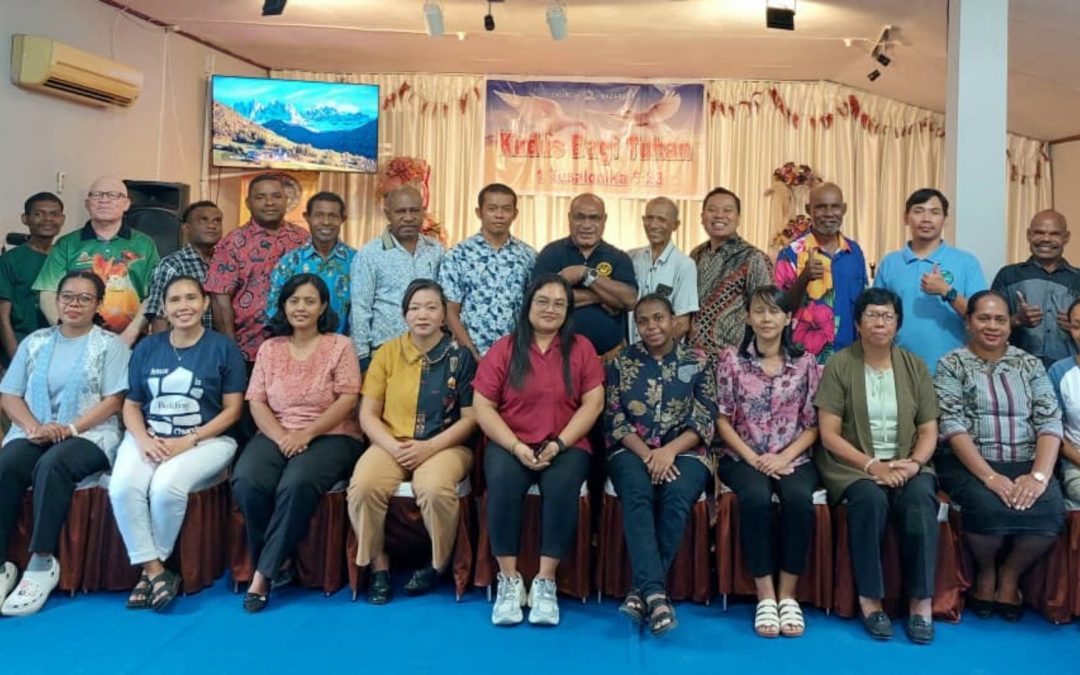

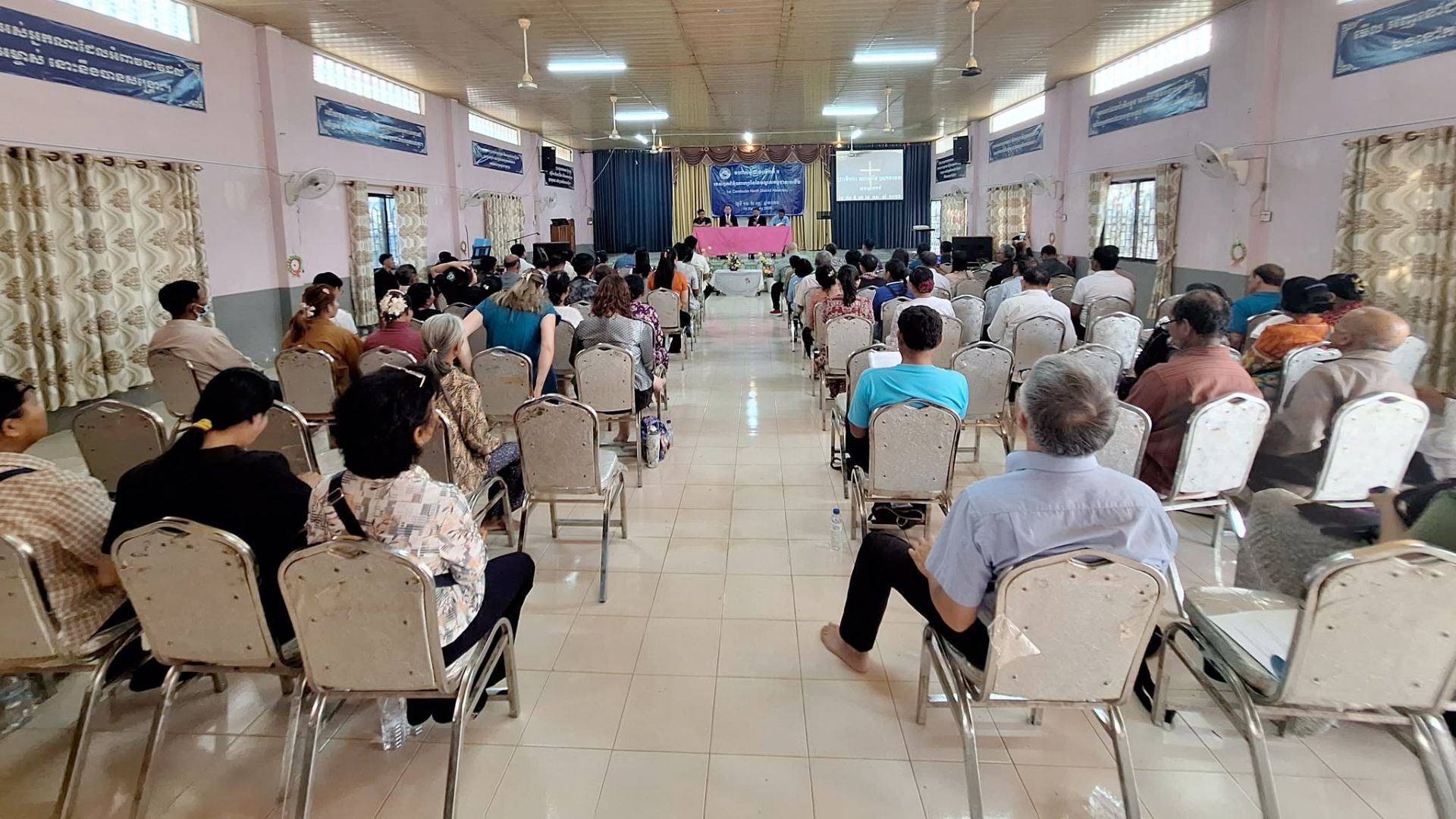
SOUTHEAST ASIA, 16 February 2026: In a nation still healing from the deep scars of a historic genocide, the Church of the Nazarene is telling a new story. It is no longer a story of mere survival, but one of aggressive multiplication. This month, the church in this Southeast Asian nation marked a historic milestone: the transition from a single national district into two distinct entities—the Central District and the newly formed Northern District. Simultaneously, the church announced a bold expansion into the southeast, signaling that the work of the Gospel is far from finished.
The Northern District: A New Birth
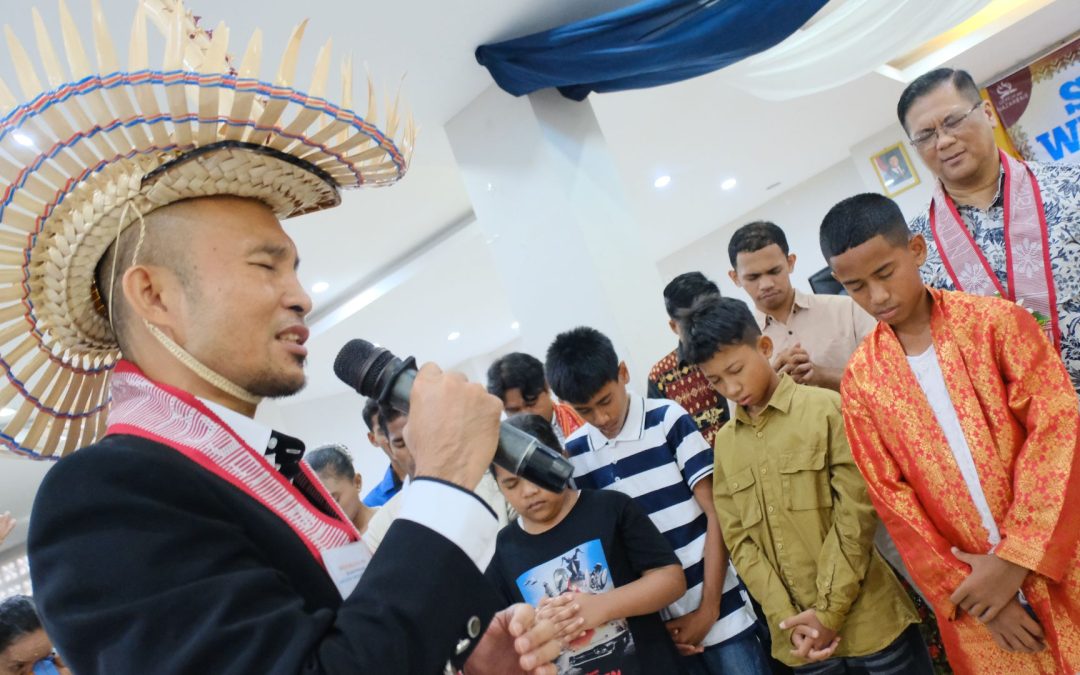
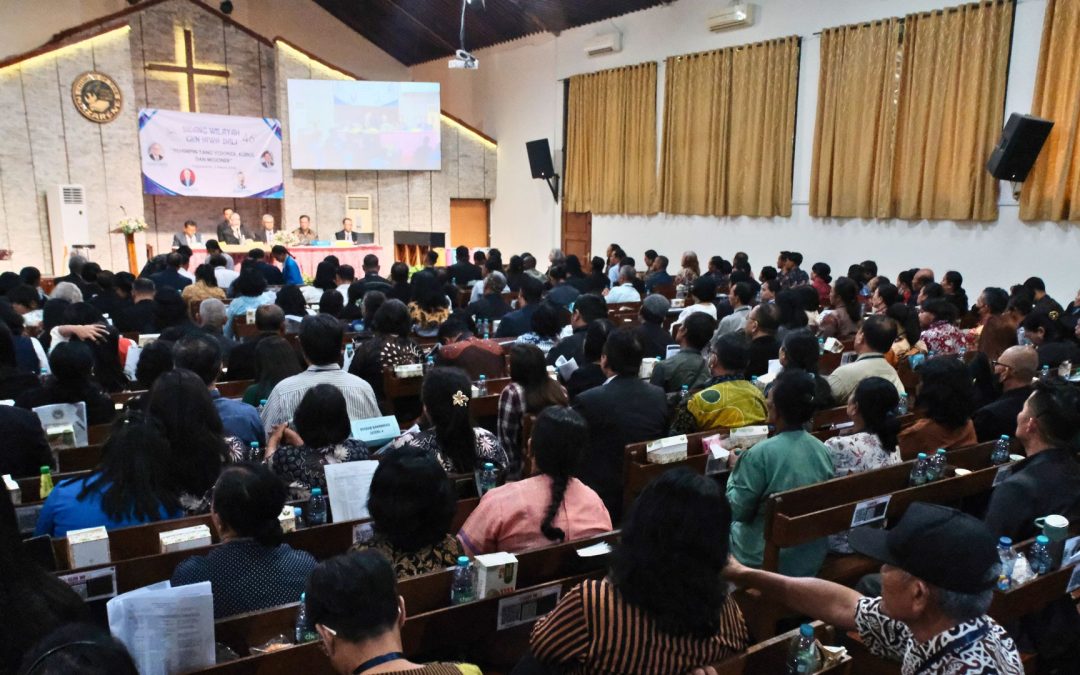
The creation of the Northern District was celebrated at its first District Assembly, described by the new District Superintendent, Rev. Rithy (pseudonym), as the birth of a “newborn baby.” Yet this new district is born strong. According to official reports, the Northern District began with 42 churches and preaching points (17 organized churches, 18 mission-type churches, and 7 preaching points) and a membership of 760 believers. Leadership development is already underway, with six ordained elders and 19 district-licensed ministers serving across five ministry zones in the northern region. In a moving demonstration of the district’s heart, despite being “newborn” and still developing financially, the assembly collected an offering of nearly US$200 to aid typhoon victims in the Philippines.
The Central District: The Mother Continues to Grow
While the Northern District represents the new frontier, the Central District remains the stable foundation of the work. In his report to the assembly, the Central District Superintendent highlighted the continued aggressive growth of the mother district. The Central District now reports 62 local churches and 41 cell groups, representing a significant discipleship network. The district is also securing the future through education. They now operate three Bible training centers in strategic locations nationwide and have established a dedicated team to translate the Manual of the Church of the Nazarene into the local language.
The Southeast: The Next Frontier
Even as the church celebrated the birth of the Northern District, eyes were already turning toward the unreached. In a strategic partnership, the Southeast Asia Field, together with national leaders, has officially launched the Southeast Pioneer Area. This initiative targets three specific southeastern provinces. These provinces are home to nearly 2.5 million people. Yet, until now, they have historically had no Nazarene presence. Under the leadership of Rev. Sophea (pseudonym), the retired District Superintendent of the former national district, the work is advancing rapidly. What began as a plan to visit villages has already resulted in the formation of 20 small groups gathering for prayer and scripture. Prioritizing leadership development, Rev. Sophea has already recruited the first cohort of 15 Course of Study students. These students will begin the first six modules of their pastoral education this year, with the goal of receiving their first district licenses by early next year.
The vision is clear and ambitious: The team plans to recruit 15 new church planters every year, with the specific prayer goal of becoming the third district in the nation by 2030.
A Unified Vision
From a history of near-extinction to a present reality of revival, the Church of the Nazarene in this nation stands as a testament to God’s restoring power. The story that began with one surviving pastor is now being written by hundreds of leaders across two districts and a new pioneer zone. Whether in the established churches of the Center, the new plants of the North, or the unreached frontiers of the Southeast, the church is united in one mission.
Prayer Requests:
For the Northern District: Stability for the new leadership and financial sustainability.
For the Central District: Continued strength in training leaders and translating resources.
For the Southeast Pioneer Area: For the 15 new students beginning their education, and the goal of a third district by 2030.
For National Unity: That all regions will work together to reach the unreached.
Editor’s Note: For security reasons, the name of the country, local leaders, and specific ministry locations have been omitted or generalized in this report.
Story by: FSC Bill Kwon