

As missionaries pioneering a new ministry in a restricted country, a young Nazarene missionary couple initially faced significant challenges in building partnerships and forming meaningful connections within local communities. In a context where the Church of the Nazarene was completely unknown, mistrust was common. Serving at first as a team of just a husband and wife, they were often perceived as insignificant compared with well-funded, well-established local ministries.
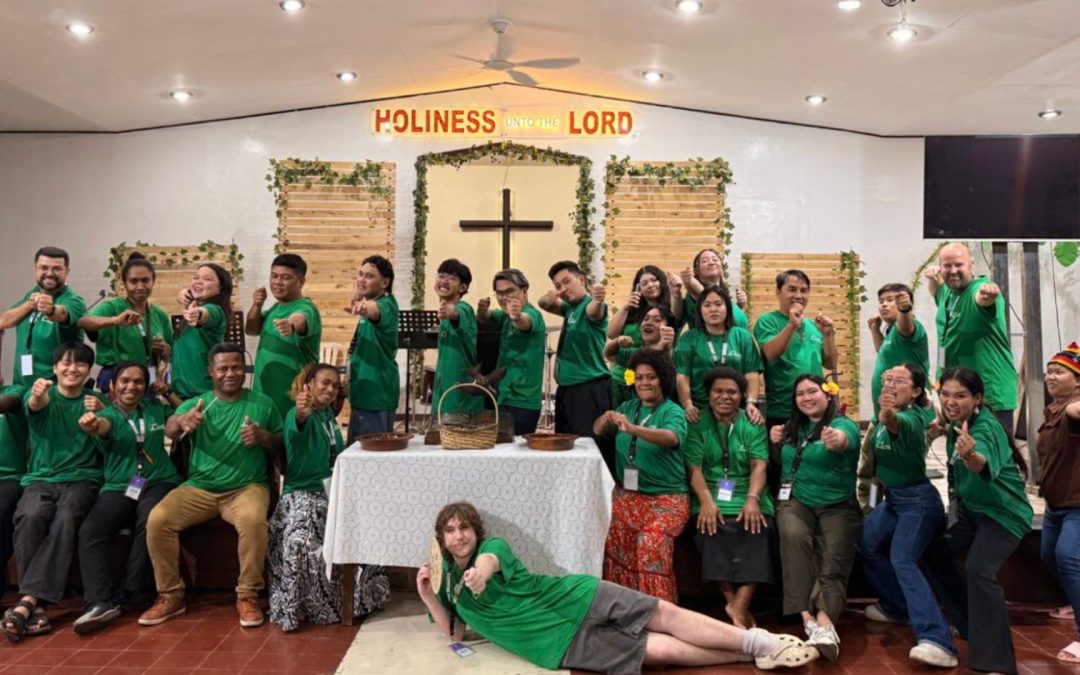
A major shift occurred in December with the arrival of a Nazarene Mission Team. Through their presence and engagement, local communities and partner ministers began to recognize the strong emphasis Nazarenes place on missions. They observed an earnestness and intentionality that stood out—one that many felt was often lacking among local churches. This distinct approach led to growing appreciation and trust.
One team member later reflected that believers sometimes unknowingly prioritize working within the church as the primary way of serving God. The mission experience, however, revealed much broader ways of living out faith beyond traditional church settings, particularly among marginalized communities.
As trust grew, new doors opened. The missionaries formed partnerships with several grassroots ministries, which now recognize the genuine desire of the Nazarenes to support and stand alongside them. These ministries serve refugee students and mentally handicapped villagers within an Islamic context and are often overlooked by local churches, making this support especially meaningful.
The Nazarene Mission Team’s impact was further strengthened by its unique composition. The team consisted of 17 members from six different countries, many of whom were considered “unlikely” missionaries. While local communities expected wealthy Western teams, they instead encountered individuals from diverse and often marginalized backgrounds. One member came from one of the largest slum communities in the Philippines, where her church ministers among garbage scavengers, the poorest of the poor. Just months before the trip, she had lost her home in a community-wide fire. Though she considered withdrawing from the mission, her pastor encouraged her to remain faithful to God’s calling and to embrace what God might reveal through the experience. Other team members came from another Islamic nation where Christians face persecution and systemic prejudice that limits many aspects of daily life.
Because of these lived experiences, the team formed deep, authentic relationships with the ministries they partnered with. Those who felt abandoned, misunderstood, and overlooked encountered genuine love and solidarity. What began as a difficult and isolating pioneering effort has now become a season of open doors and growing opportunity. With renewed hope and strong partnerships, the missionaries are excited to continue planning new mission engagements in the coming year.